My interest in growing food didn't begin in a classroom or on a farm—it began halfway around the world.
I grew up with a garden. My mom always kept one, and while I enjoyed eating what came out of it, I never gave much thought to where food came from or what it meant to be able to produce it yourself.
That changed when I served as a missionary in the Philippines.
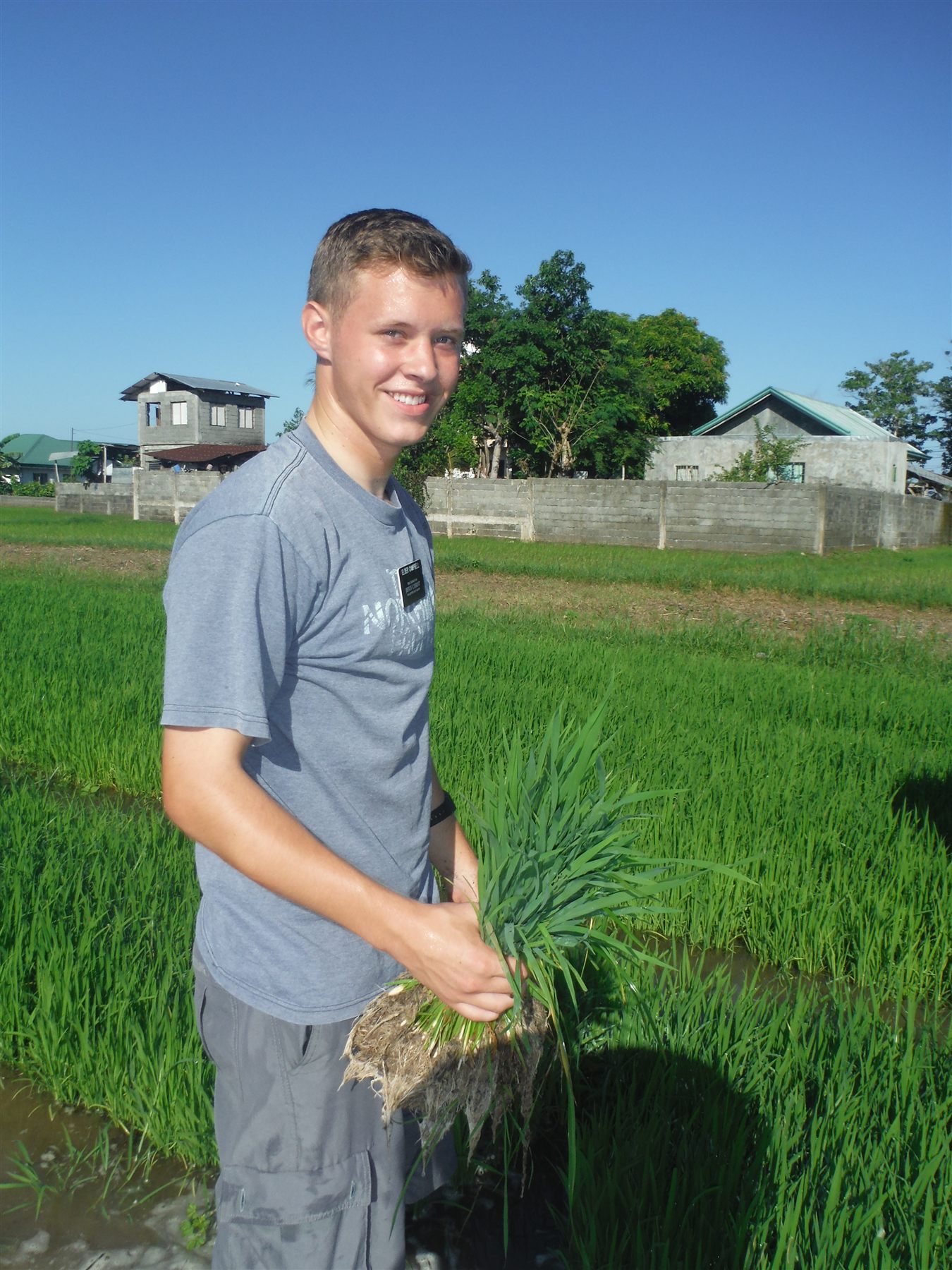
During those two years, I met people who lived with very little but possessed incredible ingenuity. Many families made remarkable use of the land they had, growing vegetables, raising livestock, or harvesting fruit from trees that flourished in the tropical climate. I saw firsthand how a small piece of land could provide food, income, and security.
But I also met many families who struggled to put enough nutritious food on the table despite having the same opportunities around them. Day after day they worked long hours in rice fields owned by someone else, earning just enough to buy that day's food before repeating the cycle the next morning. Meanwhile, the ground surrounding their homes often sat bare—carefully swept and maintained, but producing nothing.
It was difficult to ignore the contrast.
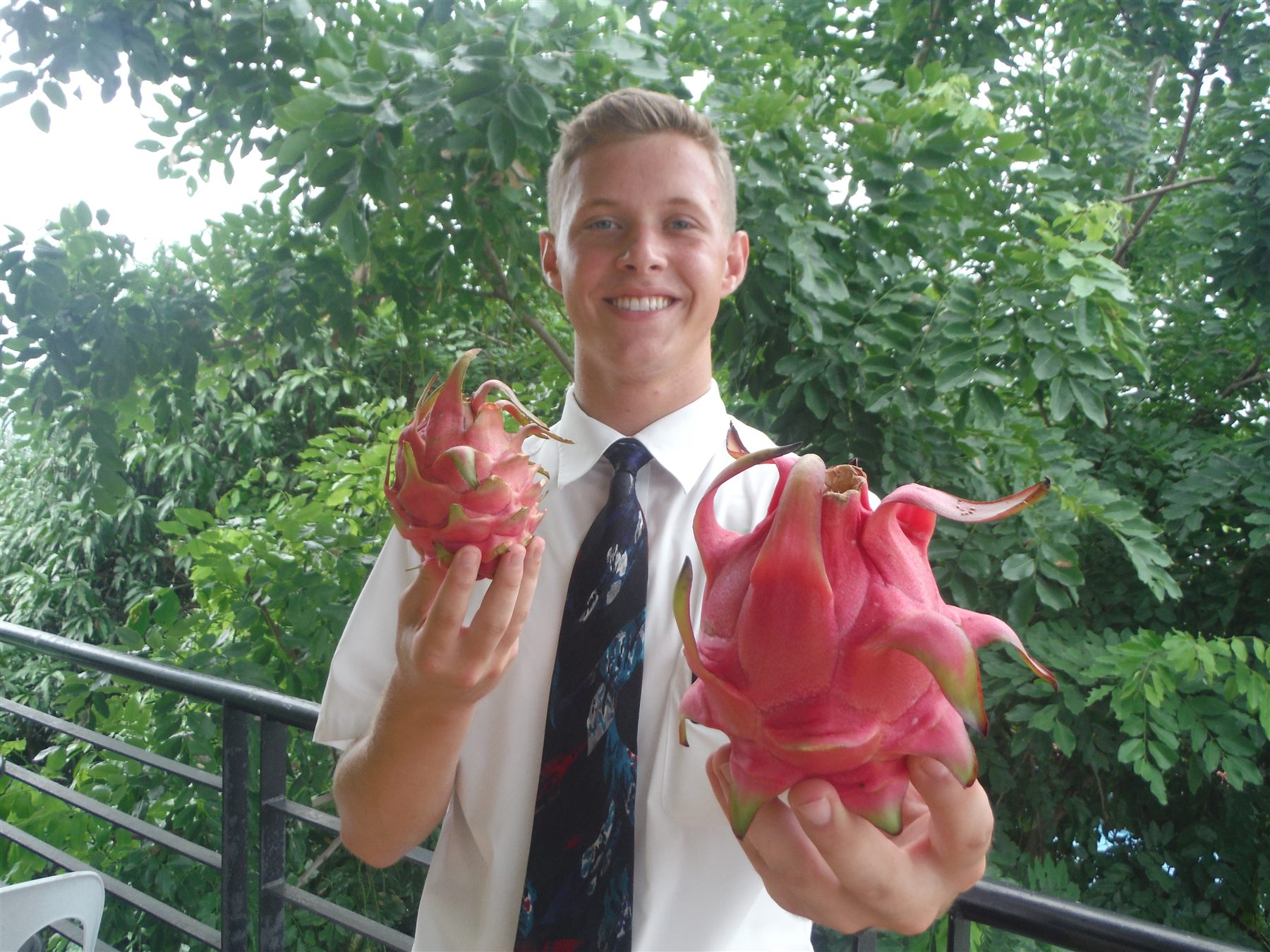
I knew what was possible because I had seen it. Fruit trees grew freely throughout villages. Chickens could be raised almost anywhere. Vegetables could thrive year-round. A few changes could have dramatically improved both nutrition and financial stability for many families.
That experience planted a seed in me.
When I returned home, I didn't immediately know where that seed would lead. I worked a variety of jobs and spent time at Utah State University searching for a career that felt meaningful, but nothing quite fit.
Years later, after my wife and I had started our family, I felt strongly that it was time to return to school. I enrolled in Landscape Architecture, believing I wanted to design outdoor spaces. It didn't take long to realize that every project I found exciting revolved around one thing: growing food.
One of my first plant identification courses introduced me to the world of trees and arboriculture, and it completely changed my direction. I eventually transitioned into Plant Science and ultimately graduated with a bachelor's degree in General Agriculture Studies—a combination of landscape architecture, plant science, horticulture, soils, and agriculture that perfectly aligned with the work I felt called to do.
Since then, my education hasn't stopped.
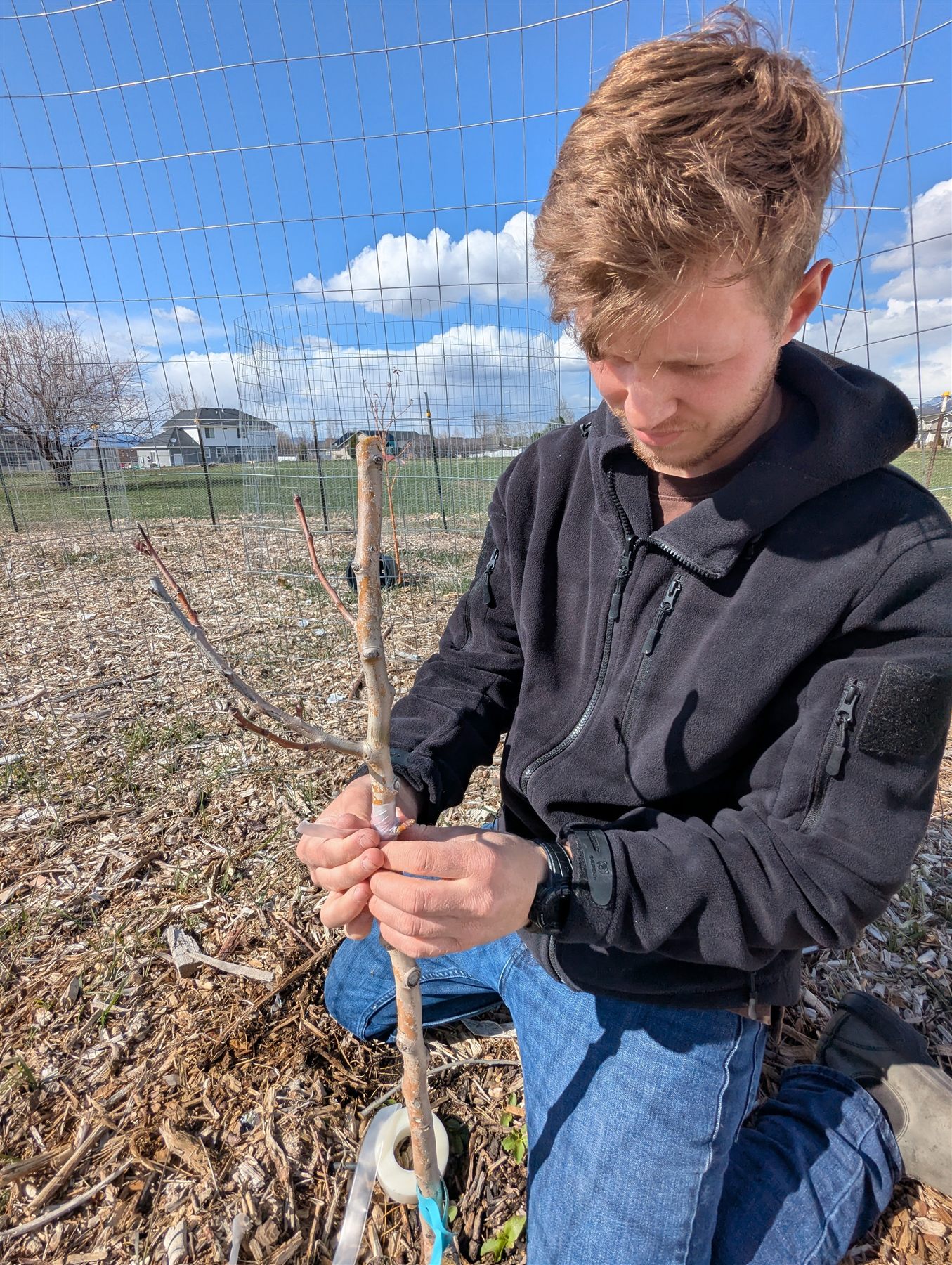
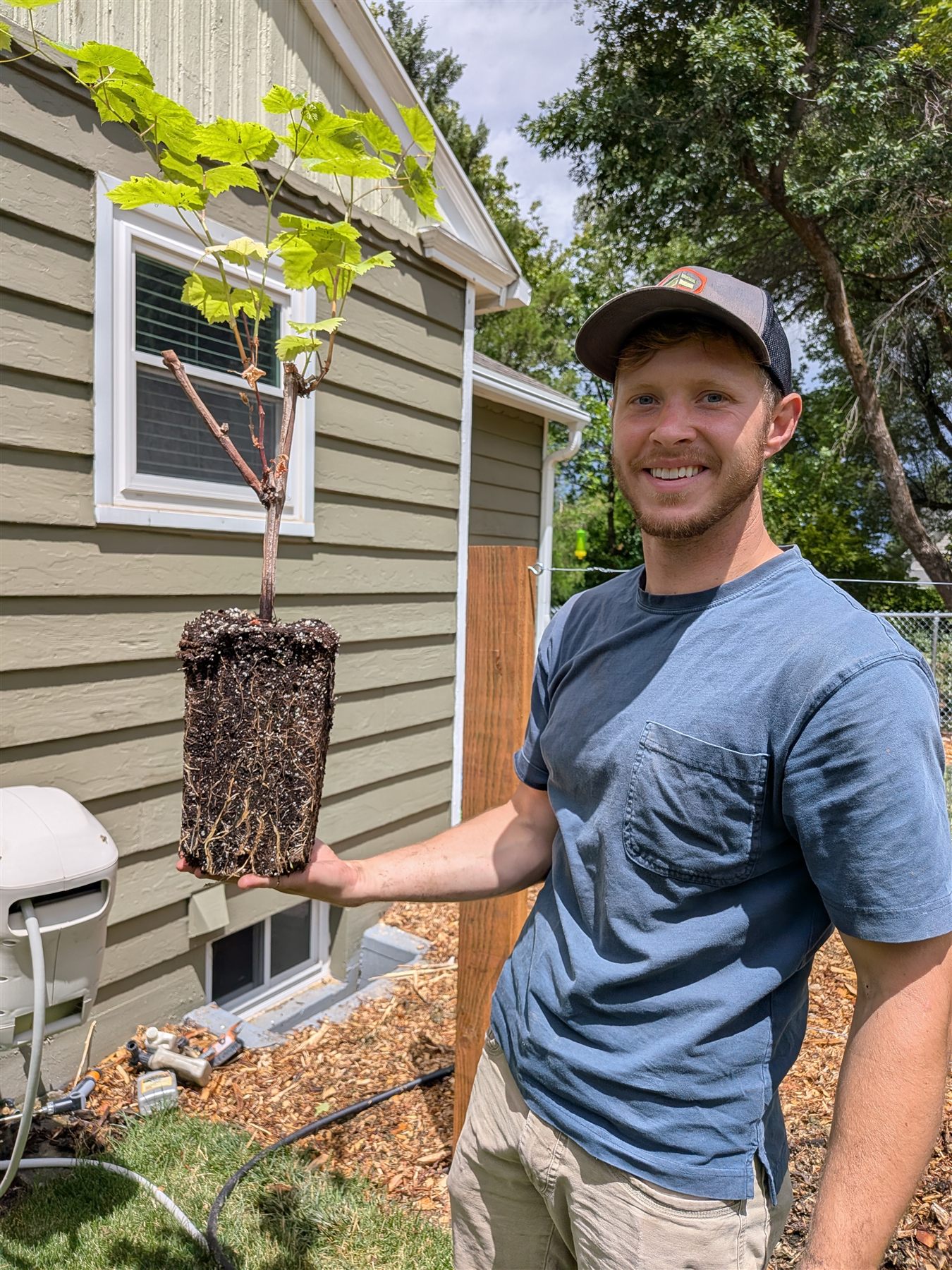
I've spent countless hours experimenting with seed propagation, rooting cuttings, grafting fruit trees, and learning how perennial plants perform in our climate. I've built a makeshift passive solar greenhouse capable of protecting subtropical plants through Utah winters without electricity for heating or ventilation. That greenhouse has successfully overwintered grapefruit, figs, pomegranates, and other plants that many people assume can't be grown here.
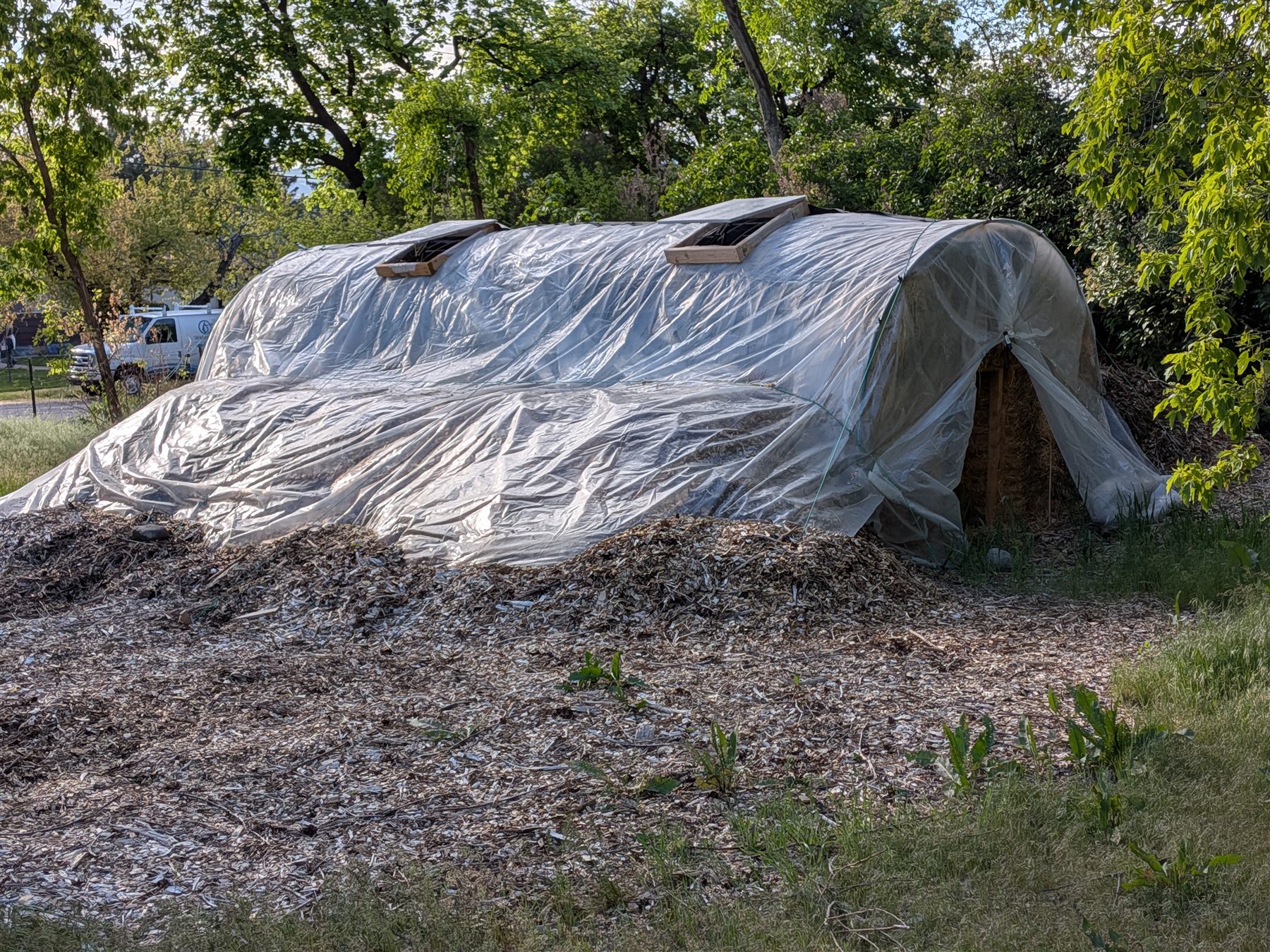
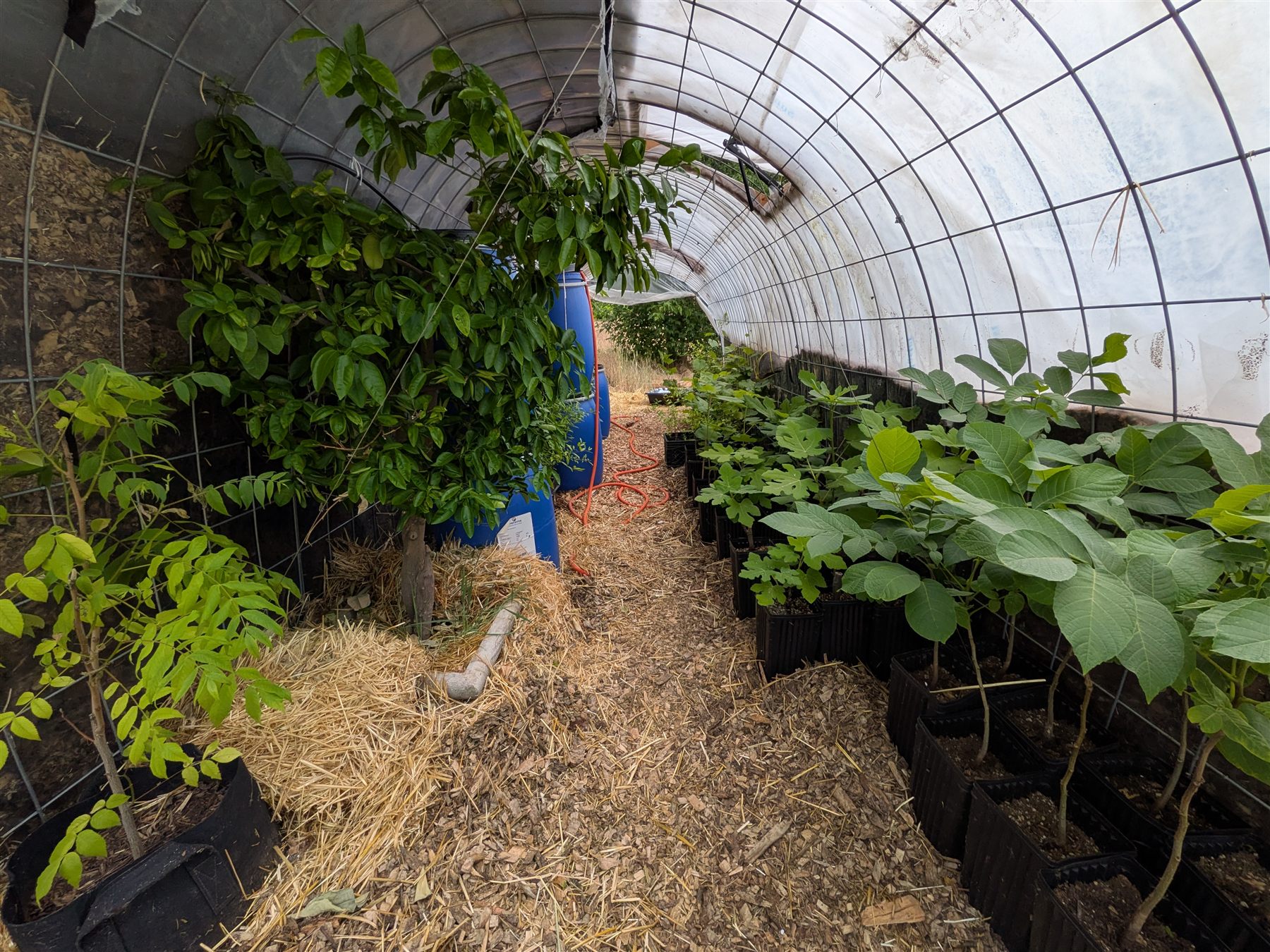
Every experiment has taught me something valuable about creating resilient, productive systems that work with nature instead of against it.
Why Project Plenty Exists
Project Plenty exists because I believe our homes can do far more than look beautiful—they can nourish us.
A yard can provide fresh fruit, vegetables, herbs, berries, eggs, shade, wildlife habitat, and a deeper connection to the place we live. Thoughtfully designed food landscapes increase food security, improve nutrition, reduce dependence on outside systems, and create abundance that can be shared with neighbors, friends, and future generations.
One of the things I've come to appreciate most is the power of perennial food systems. Unlike annual gardens that require starting over each spring, fruit and nut trees, berry bushes, asparagus, rhubarb, and other perennial crops become more valuable with time. A well-designed food landscape can produce harvests for decades while requiring surprisingly little maintenance once it's established. It's one of the few investments you can make that grows in value every year while feeding your family along the way.
My goal isn't simply to help people plant fruit trees.
It's to help families see the hidden potential in the land they already own.
Whether you're hoping to install a few raised beds, plant a small backyard orchard, or transform your entire property into an edible landscape, I believe productive spaces should be as beautiful as they are functional. Food-producing landscapes don't have to look messy or feel like a farm. With thoughtful design, they can enhance the beauty of a home while quietly providing food, shade, habitat, and lasting value.
Project Plenty exists to help people transform ordinary spaces into places of lasting abundance.
Because when we learn to grow even a portion of our own food, we gain more than a harvest — we gain resilience, confidence, and an increased ability to care for ourselves, our families, and the people around us.
Sometimes it begins with a single fruit tree. Sometimes it's a raised bed of strawberries or asparagus. Sometimes it's a complete redesign of the landscape. Whatever the project, my hope is the same: to help people build landscapes that are both beautiful and productive.